There is an overwhelming amount that we don't know about ecosystems beneath the waves, which means that research and conservation of marine habitats is essential to develop our understanding of the world around us. This trip couples marine adventure with the exploration of the jungles that Borneo is so famed for, giving students a completely immersive experience of the region.
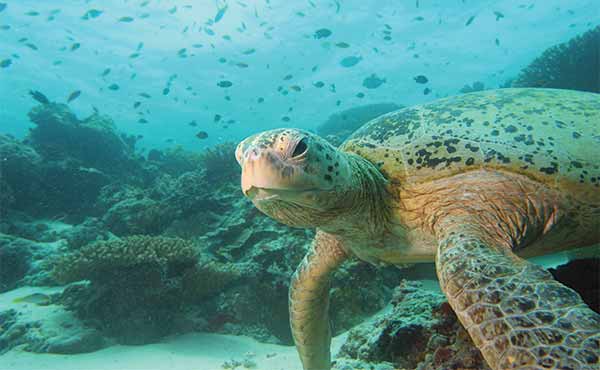
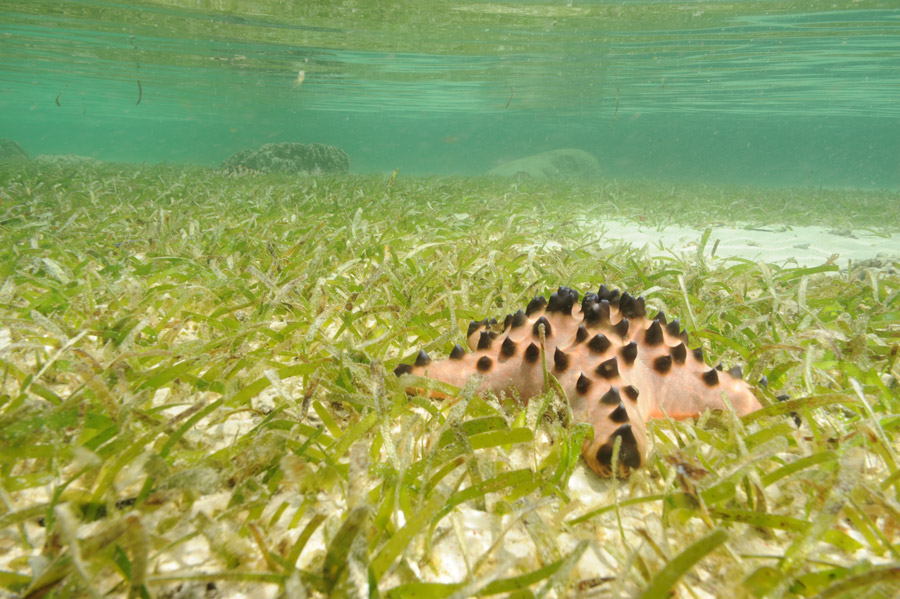
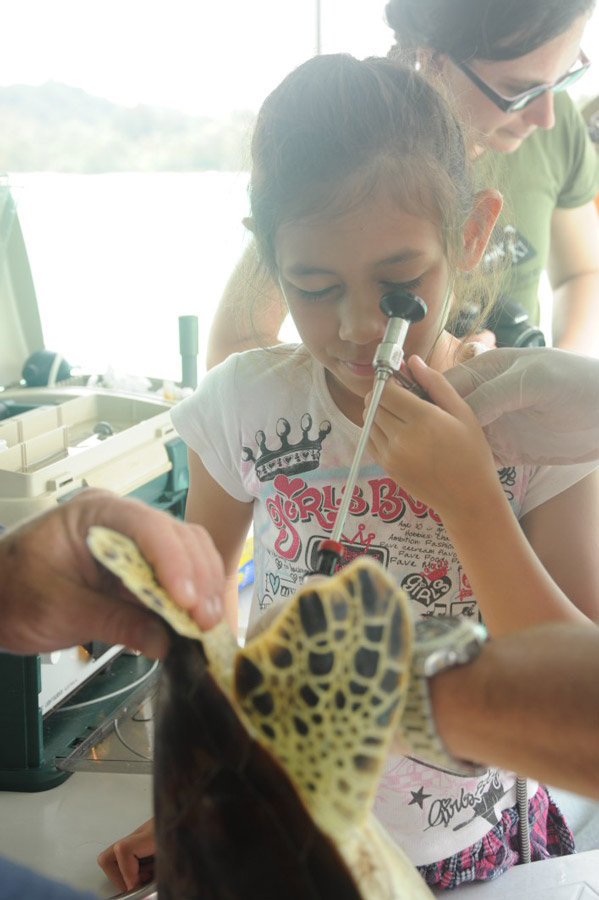
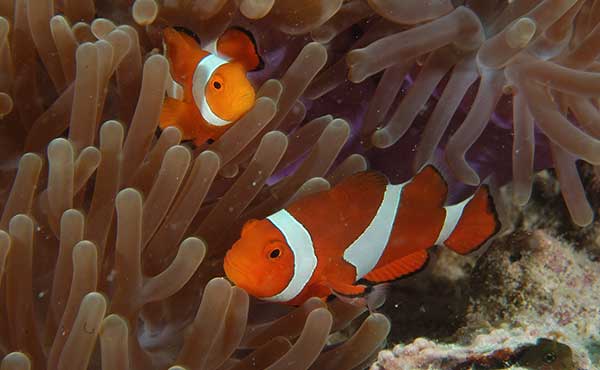
Your contribution to the data and research surrounding the Tunku Abdul Rahman Marine Park will prove pivotal to the continued success and prosperity of the region. With some of the finest reefs and most abundant marine life in Borneo, this park is a haven for marine biology and conservation. Students will get to learn about different species, from corals to turtles, and how they interact and thrive in the environment. There will also be field sessions that include tuition on reef survey techniques, sampling using quadrants, marine species identification and assessments. During the visit, pupils will also be instructed on different conservation techniques for different species, such as the endangered turtle nesting sites, and how different ecosystems (from mangroves to sea grass fields) impact the marine life of the region.
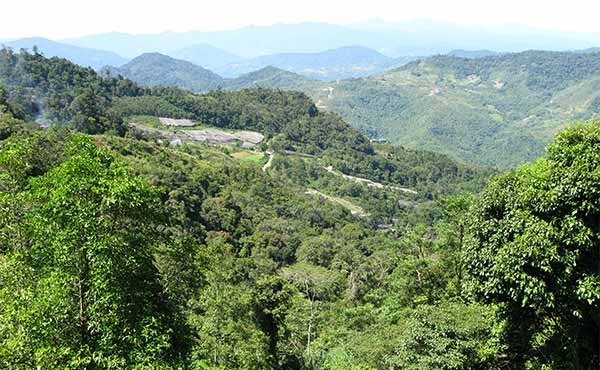
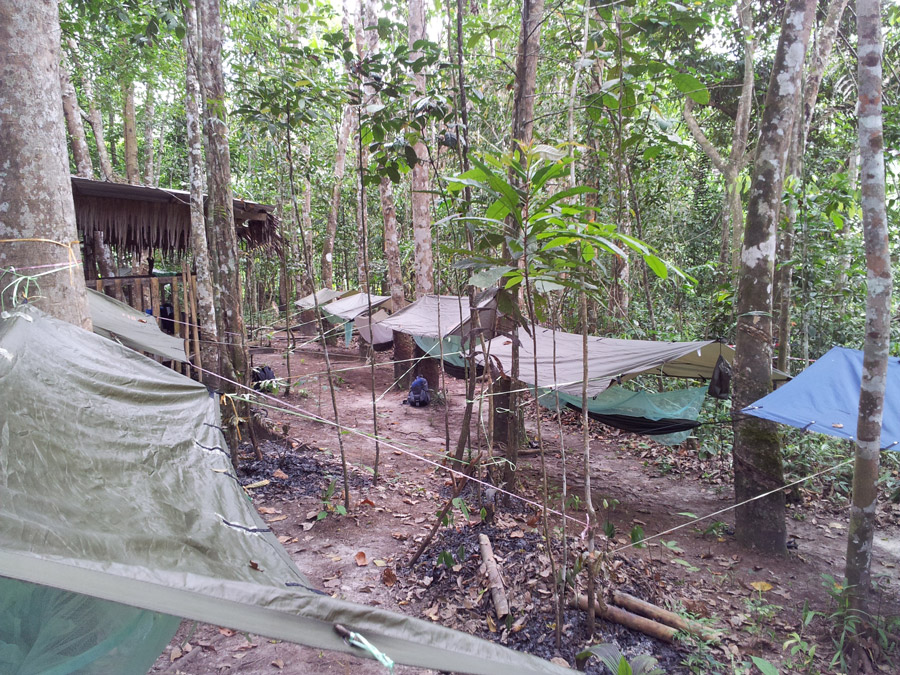
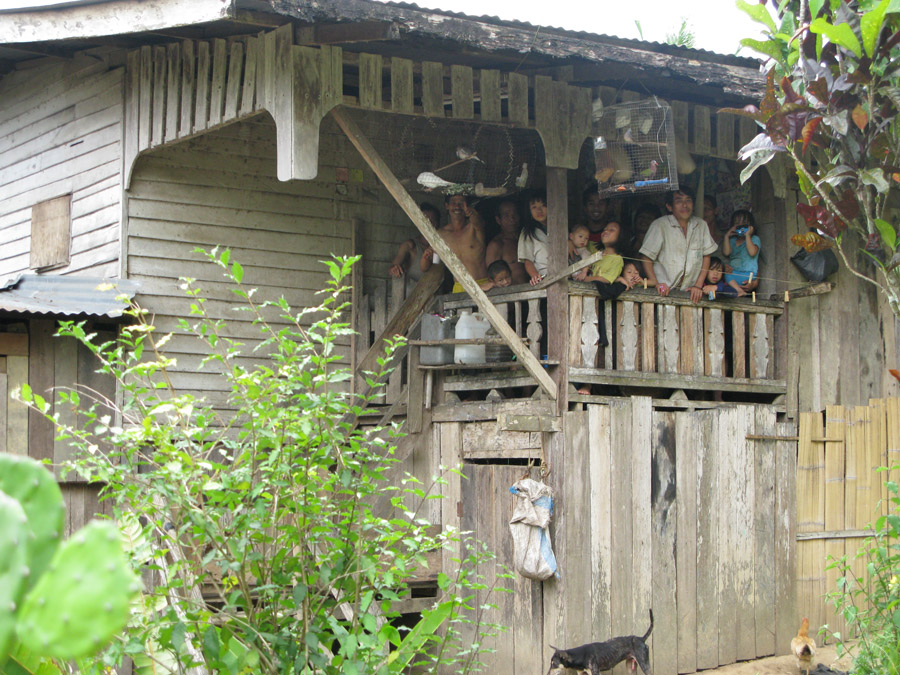
After spending time at the coast, the itinerary then heads inland to trek through the vibrant forests and valleys in the Kiulu Valley just outside of Kota Kinabalu. Here, groups will have the chance to encounter more exquisite wildlife, such as the proboscis monkey which can only be found in Borneo. Trekking in this part of the world is challenging yet rewarding; it is a unique environment and camping out in the jungle in hammocks simply adds to the sense of adventure. Whilst walking through the forest, pupils will get to experience local villages, rural farms, isolated jungles and beautiful rivers, before heading back to the city and home.
Typical itinerary
-
Day 1:
Depart the UK
Depart the UK and begin your first leg of the journey to Borneo. This is an overnight flight, arriving in Malaysia the following day.
-
Day 2:
Arrive in Kota Kinabalu
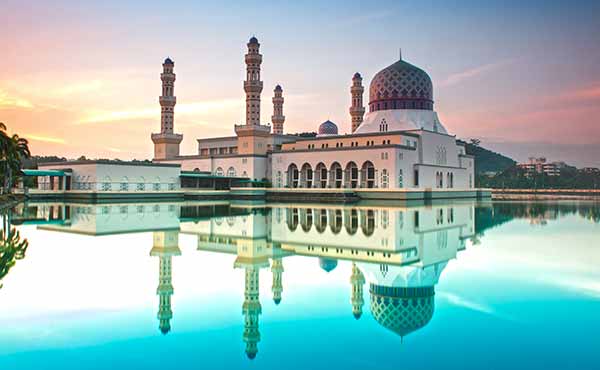
Today the goup arrives in Kota Kinabalu in Sabah, Malaysian Borneo, and will be transferred by coach from the airport to a lodge in central Kota Kinabalu. The rest of the evening is at leisure and (depending on flight arrival time) there should be a chance to explore central Kota Kinabalu.
-
Day 3:
Marine Conservation Day 1
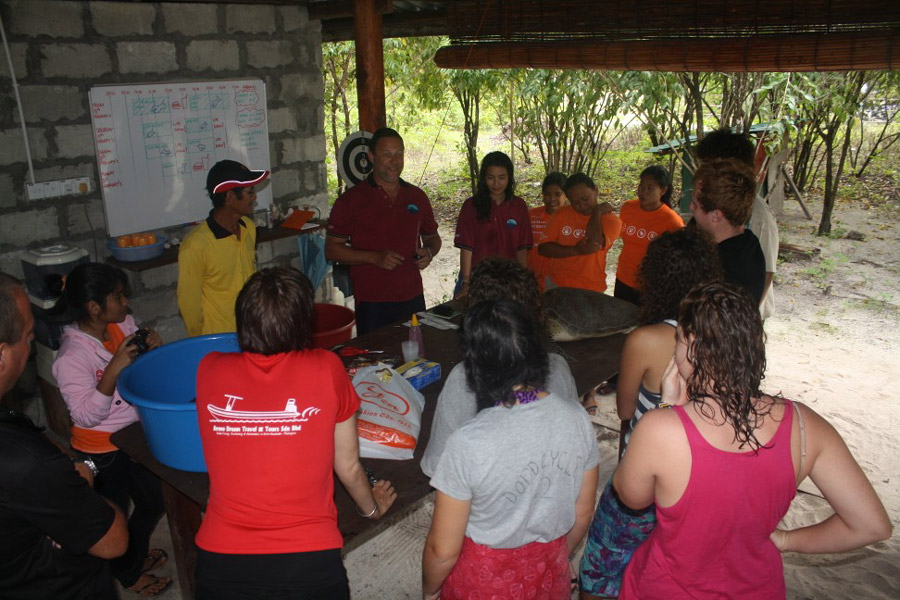
Over the next four days students will join a marine biology and marine conservation course. This will involve two days of study and two days of fieldwork (the fieldwork will be beach and snorkelling based).
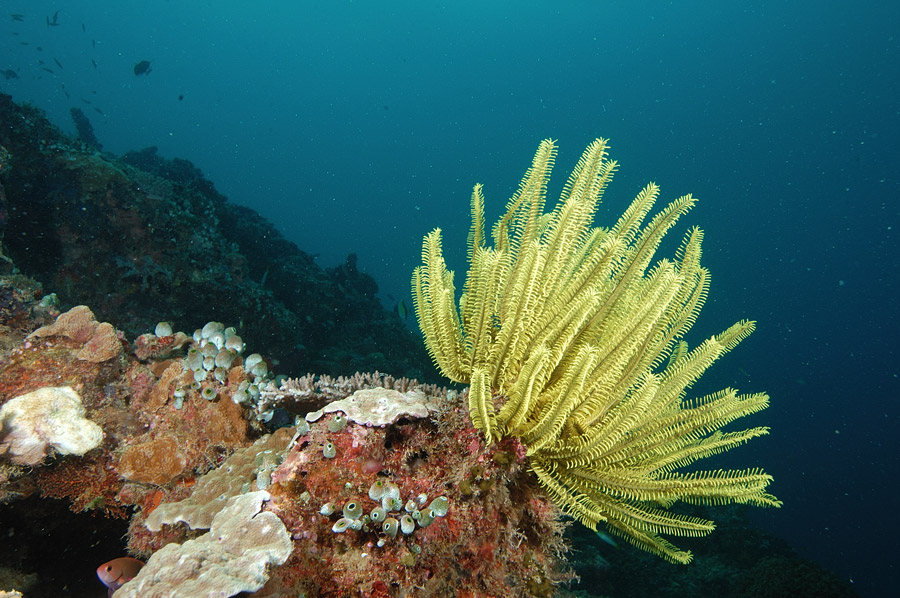
Today's study session will take place at the offices of the Marine Research Foundation, located in central Kota Kinabalu. The group will join a range of sessions today between 9am - 4pm, covering coral reef ecology, biology & conservation, tropical fish and invertebrates. Students will learn more about the varied coral species, how corals grow and reproduce, and their sensitivities to pollution and other stressors. There will also be opportunities to look at the different groups of invertebrates (echinoderms, molluscs, crustaceans), and study their evolution and physiology.
After the study session, there will a chance to explore Kota Kinabalu prior to dinner at a local café.
-
Day 4:
Marine Conservation Day 2
Today is the first day of field work. After meeting the crew and the lead Marine Biologist from MRF at Jesselton Point Jetty this morning, the group will transfer by boat to Sepangar Bay (approximately 30 minutes' boat journey). Today will involve a mix of lessons and practice sessions. The field sessions will include instruction on standard reef survey techniques, quadrant sampling, fish identification and trophic level assessments. In the afternoon, after a first full day of learning and attempting some field work practices, the group will be transferred back to Jesselton Point Jetty. After walking back to the lodge, there is time to freshen up before heading out to dinner at a local café.
-
Day 5:
Marine Conservation Day 3
Today is the second study day. After an eye-opening day at sea, pupils will be back in a classroom setting to learn all about the biology and ecology of endangered sea turtles and discuss conservation approaches and challenges. They will also look at other marine environments such as seagrasses and mangroves, and discuss the last day's practical field assessments.
-
Day 6:
Marine Conservation Day 4
Today is the second day of field work, and the last day of the marine biology and marine conservation course. Today's session will see the group using the skills and knowledge acquired over the last three days to conduct a mini-survey in the morning, and contribute data to ongoing reef assessments in Borneo.
In the afternoon there will be a visit a nearby mangrove habitat at Kg Salut (or other local mangrove site depending on weather conditions and tide). This site visit will offer a quick insight into how mangroves are studied, and will look at species' identification and the types of other species associated with this habitat. It will then be time to go to a local restaurant in Kg Salut for an end of course dinner. Course certificates will be issued at dinner to all participants.
-
Day 7:
Jungle Trek Day 1
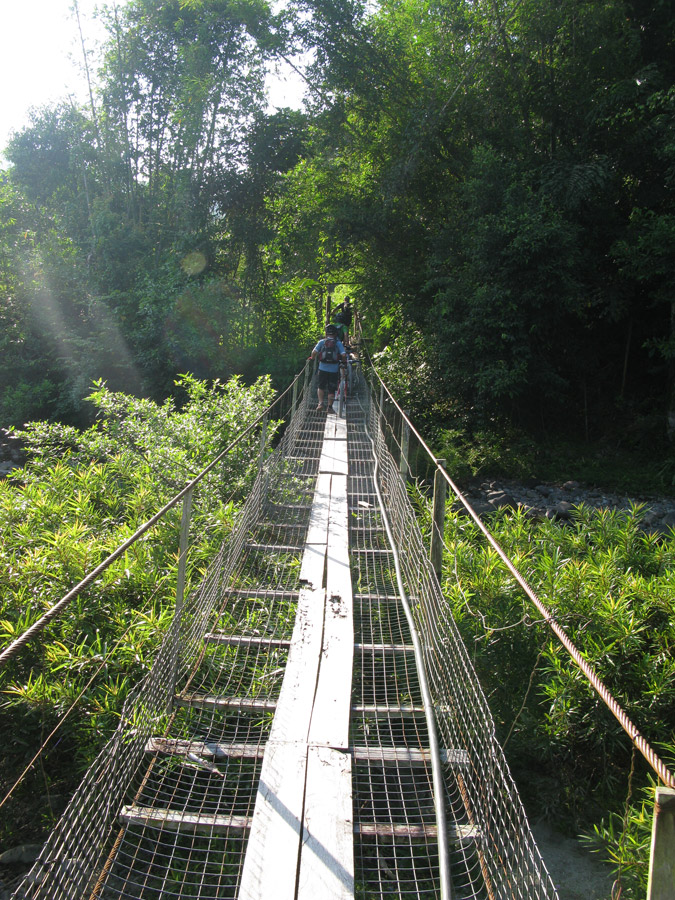
Over the next four days the group will join a jungle adventure and go trekking through the magnificent Kiulu Valley. The trek is rated as an easy to moderate, with some moderate hills to navigate. The route will take the group through secondary forest, by small villages and plantations, crossing numerous hanging bridges over rivers. The guides will show students a variety of jungle survival skills and they will be able to learn to identify and collect food for the evening meal.
Departing Kota Kinabalu this morning, transfer by road to Rangalau Camp, a journey of approximately two hours. On arrival, set up sleeping space at the camp then it will be time for lunch, before joining some introductory survival activities in the afternon.
-
Day 8:
Jungle Trek Day 2
Today’s trek is roughly 15 kilometres; five to six hours of trekking. The route is mostly flat, trekking through plantations, secondary forest and several rivers, crossing hanging bridges and passing through villages. It will be hot and humid which can make the trekking feel like harder work. Along the trail the group will learn some jungle survival skills, and on arrival at Lg Pa Kou jungle camp, set up hammocks, prepare for the night, cook dinner, then eat and relax around a camp fire.
-
Day 9:
Jungle Trek Day 3
Today’s trek is approximately seven kilometres and involves an average of five to six hours of trekking. The trekking will feel harder today as around 80% of the route is going uphill, with some rivers to cross and forest and plantations to trek through. As with the previous day, students will learn more jungle survival techniques during the day, and on arrival at Bungkawas camp, set up their hammocks. It’s then time to cook and eat dinner.
-
Day 10:
Jungle Trek Day 4, return to Kota Kinabalu
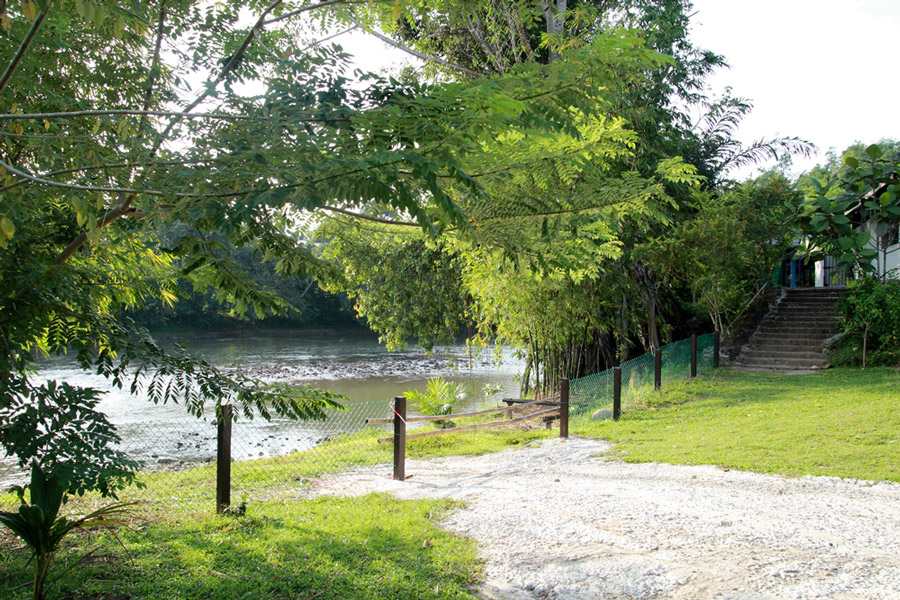
Today the group will be trekking for roughly five to six hours, with the trail about 40% downhill, 60% undulating, passing by a couple of rivers and streams. After arriving at Kg Pukak, Kiulu, the group will then transfer to Kota Kinabalu (just over an hour's drive), arriving back at the lodge by late afternoon.
-
Day 11:
Depart Kota Kinabalu
In the morning there will be some free time to visit the local markets in Kota Kinabalu. Early afternoon (depending on flight time), transfer to the airport to catch the flight home.
-
Day 12:
Arrive back in the UK



 Borneo